
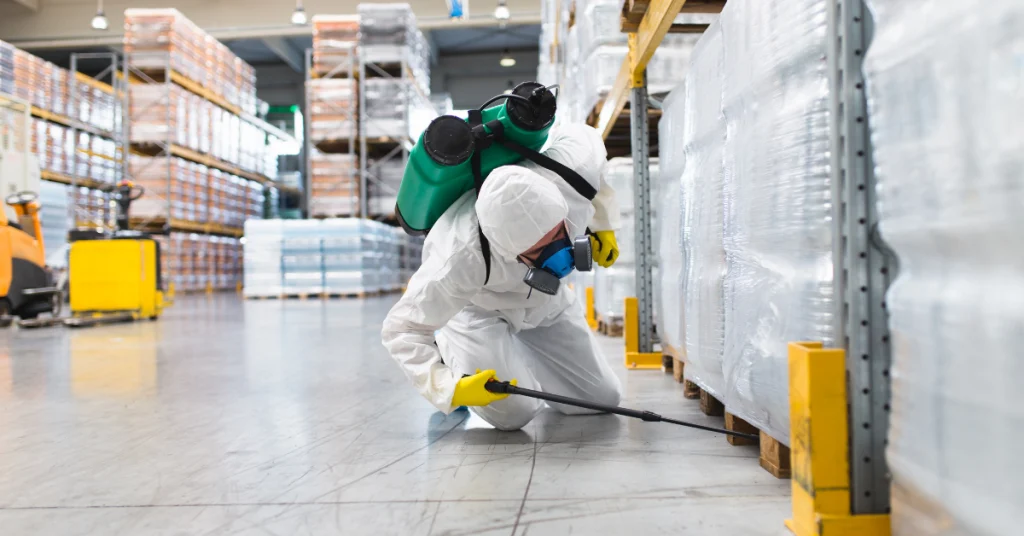
Dealing with pests can be frustrating and, in some cases, harmful to your health and property. From cockroaches and rodents to termites and bed bugs, choosing the right type of pest control is essential for long-lasting results. But with so many options available, many people ask: which type of pest control is best?
The answer depends on the type of pest, the level of infestation, and your specific needs. In this blog, we break down the most effective pest control methods and help you decide which one is right for your home or business.
Understanding Different Types of Pest Control
Not all pest problems are the same, and neither are the solutions. Below are the most common and effective pest control methods used by professionals.
1. Chemical Pest Control
Chemical pest control is one of the most widely used methods and is highly effective for common pests.
Best for:
Ants, cockroaches, spiders, fleas, flies, and mosquitoes
Why it works:
Professional-grade chemicals target pests at the source, killing them quickly and preventing reinfestation. When applied by trained technicians, these treatments are safe and effective.
Ideal when:
You have a mild to moderate infestation
You need fast results
You want affordable and reliable pest control
2. Fumigation Services
Fumigation is a powerful pest control method used for severe or widespread infestations.
Best for:
Termites, bed bugs, stored-product pests, and large infestations
Why it works:
Fumigation penetrates deep into walls, floors, furniture, and hidden spaces where pests live and breed. This method ensures complete eradication when surface treatments are not enough.
Ideal when:
The infestation is severe
Pests are hidden in structural areas
Long-term elimination is required
Note: Fumigation should always be carried out by licensed professionals and may require temporary vacating of the property.
3. Eco-Friendly Pest Control
Eco-friendly or green pest control focuses on reducing chemical exposure while still managing pests effectively.
Best for:
Homes with children, pets, or environmentally sensitive areas
Why it works:
These methods use low-toxicity or natural products that repel or control pests without harsh chemicals. They are safer for occupants and the environment.
Ideal when:
You want a safer alternative
The infestation is light to moderate
Preventive pest control is needed
4. Integrated Pest Management (IPM)
Integrated Pest Management is considered one of the most effective long-term pest control strategies.
Best for:
Residential homes, commercial buildings, offices, and restaurants
Why it works:
IPM combines inspection, monitoring, prevention, and targeted treatments. It addresses the root cause of infestations by sealing entry points, removing food sources, and applying treatments only where necessary.
Ideal when:
You want long-term pest prevention
You prefer fewer chemicals
Ongoing maintenance is required
So, Which Type of Pest Control Is Best?
There is no single solution that works for every situation. The best pest control method depends on your specific problem:
- Common household pests: Chemical pest control
- Severe infestations: Fumigation
- Safety-focused households: Eco-friendly treatments
- Long-term protection: Integrated Pest Management
A professional inspection is the best way to determine the most effective solution for your property.