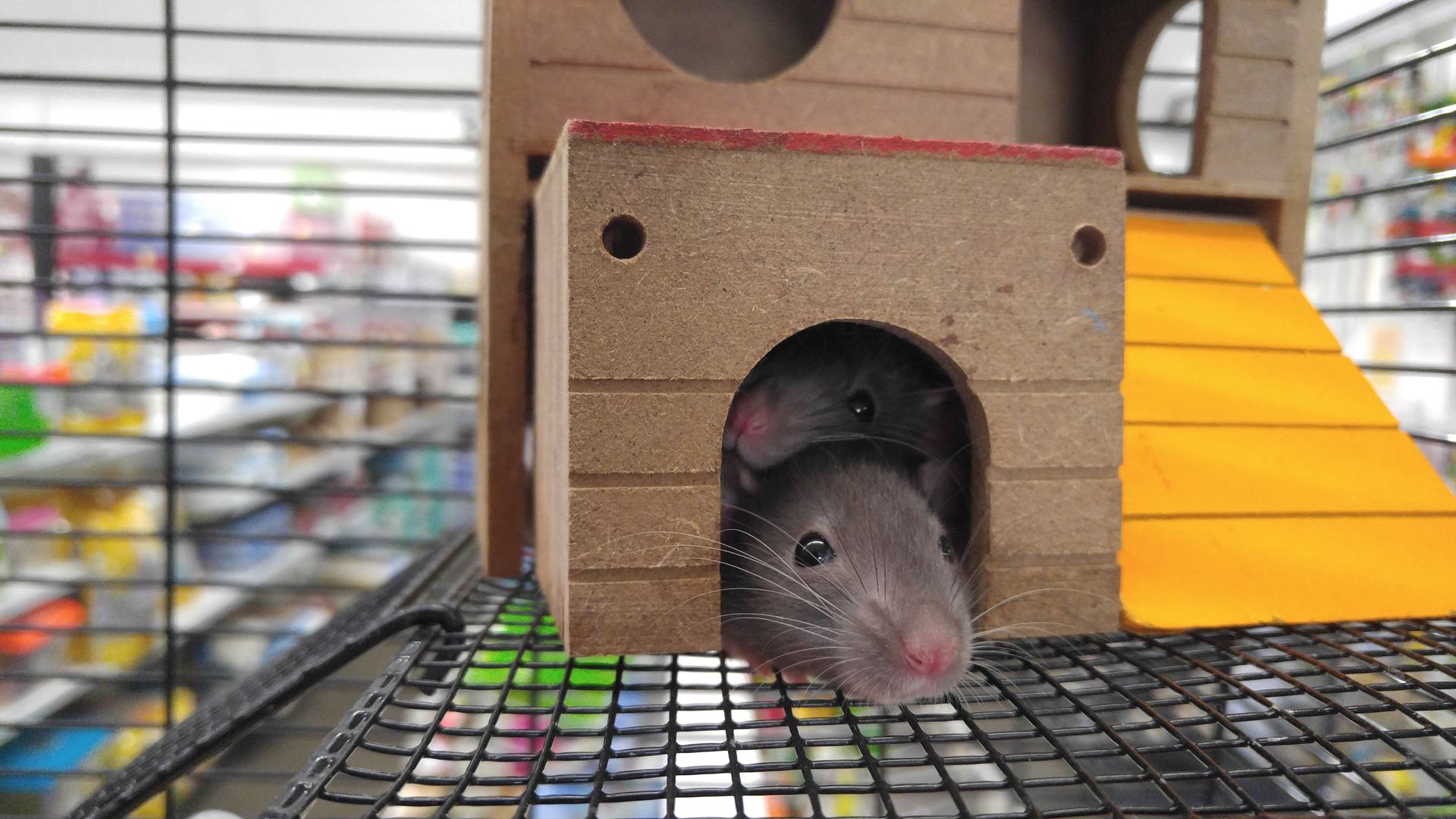
Knowing which rodent you are dealing with shapes the treatment. These are the three you are most likely to meet in a home or business.
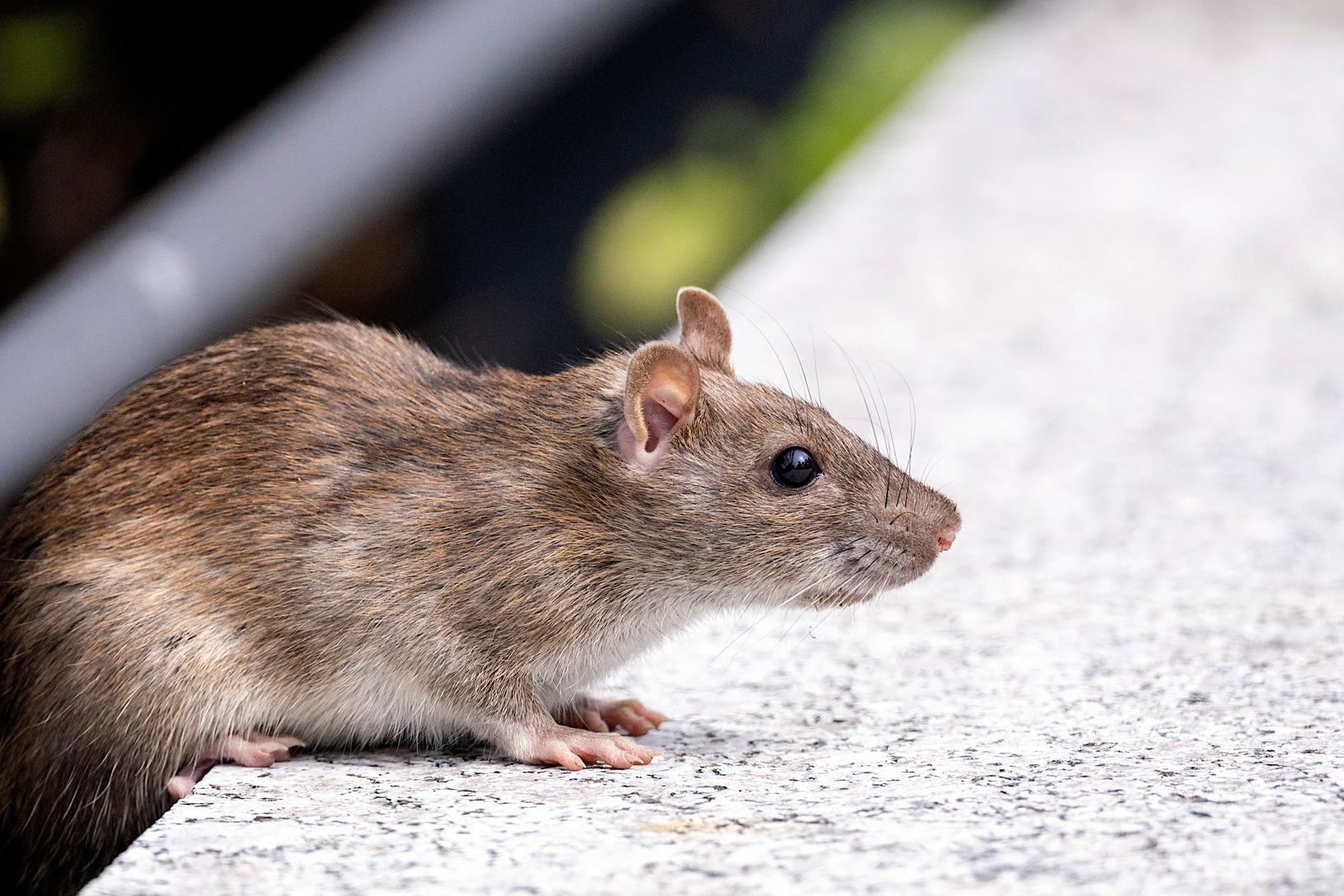
Appearance. The largest of the common rats, with a heavy body, blunt nose and a tail shorter than its body. Body length can reach around 25 cm.
Why it matters. A strong burrower and gnawer that damages structure and cabling and contaminates food. It tends to live low down, in burrows, drains and ground floors.
Where you find it. Burrows in gardens, under decking, in drains, cellars and ground floors.
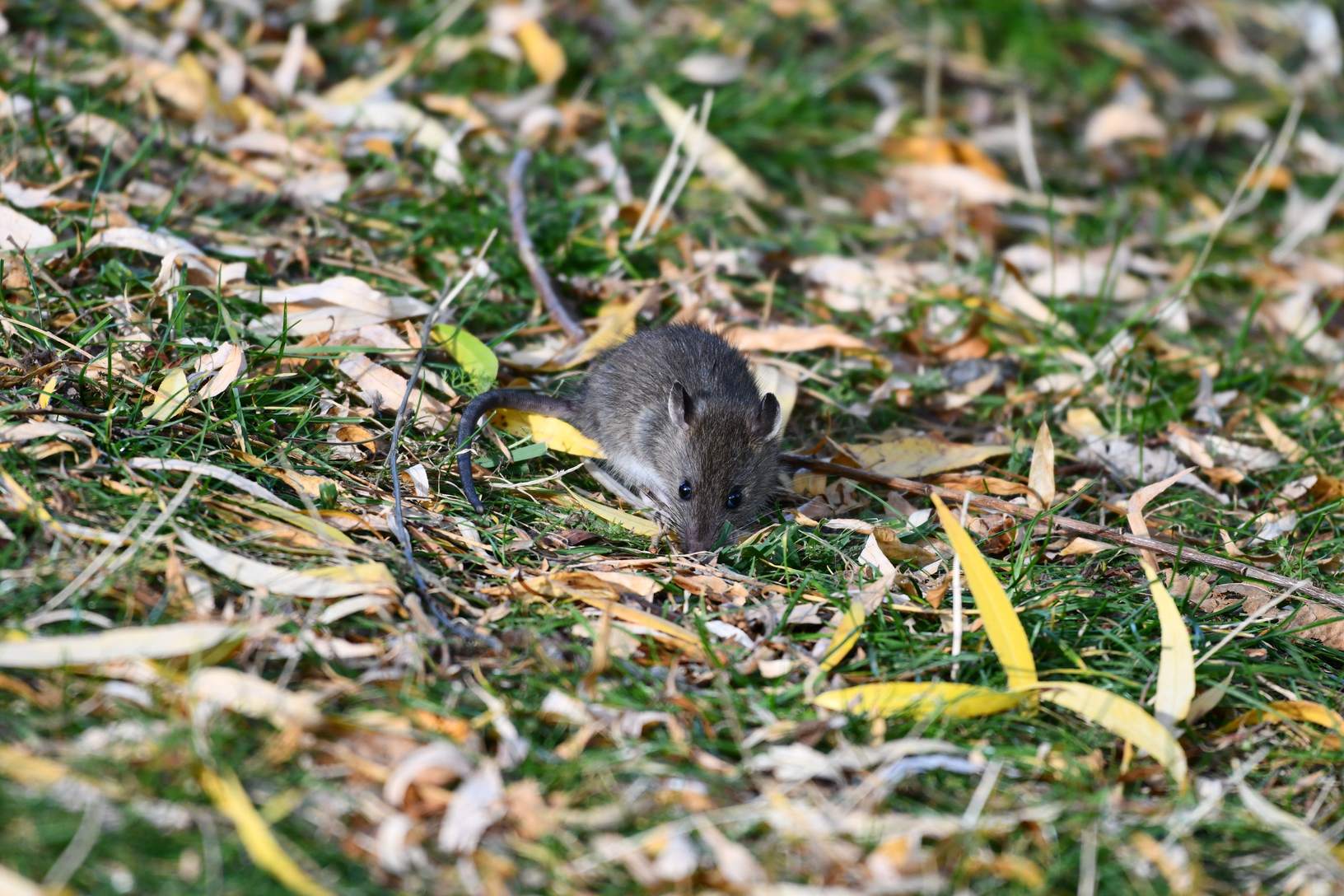
Appearance. Also called the black rat. Slimmer and more agile than the brown rat, with large ears and a tail longer than its body. An excellent climber.
Why it matters. Climbs readily and nests high up, so it is the rat you often hear scratching in ceilings and roofs. Contaminates and gnaws like other rats.
Where you find it. Roof voids, ceilings, attics, upper floors and trees.
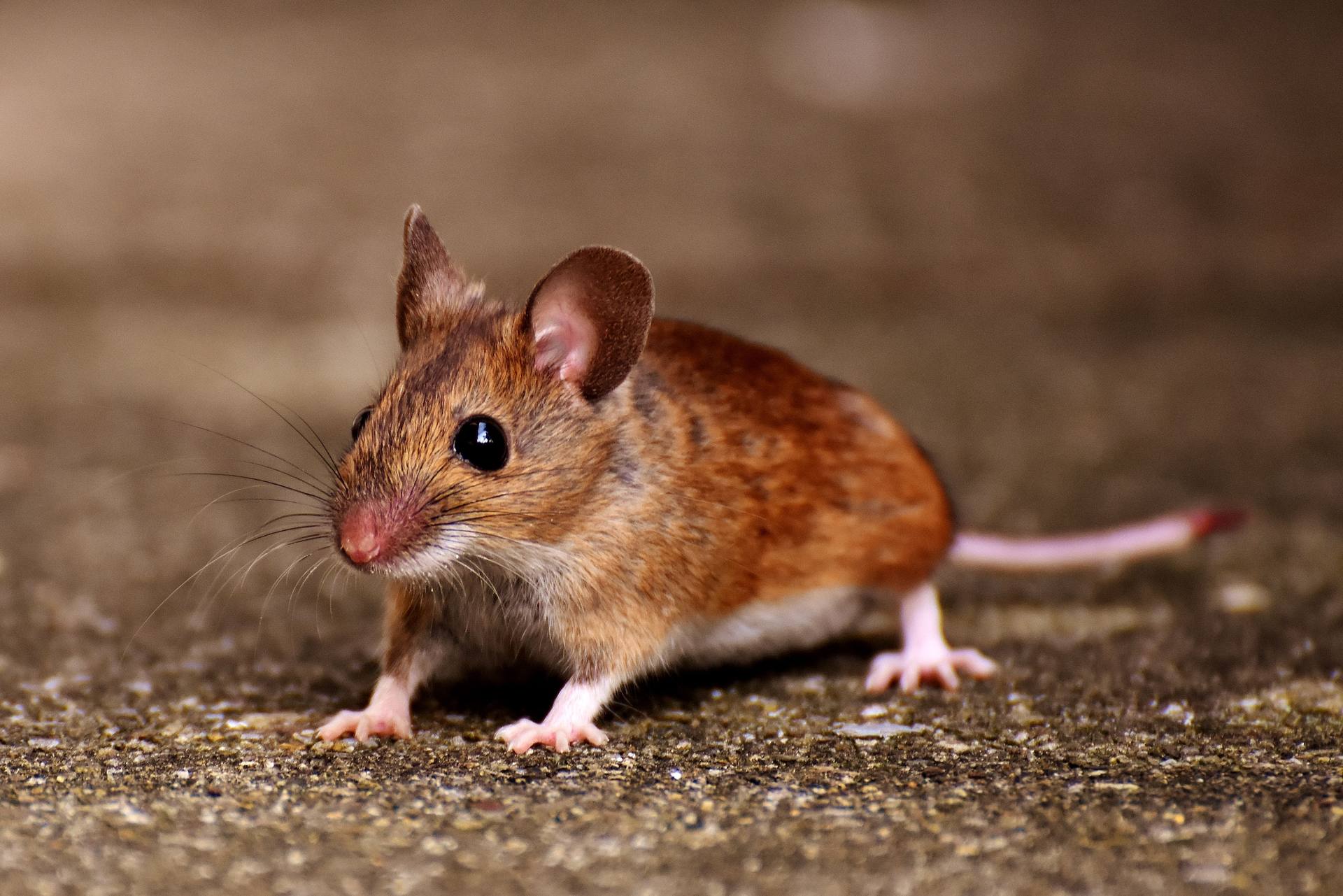
Appearance. Small and slender, grey brown, with large ears and a thin tail about the length of its body. Much smaller than a rat.
Why it matters. Squeezes through tiny gaps, breeds very quickly and contaminates far more food than it eats. Often noticed by droppings and gnawing.
Where you find it. Kitchens, pantries, wall cavities, storerooms and anywhere with food.
We will identify the rodent and treat it properly. Get a free quote today.
Pop in your details and our team will call you back.